

Body Detox & Immunity
Twists, inversions and pranayama support circulation, digestion and lymphatic flow, so your body's natural defences work well.
KapalabhatiTwisting asanasSun salutations
 Advaitha Yoga
Yoga therapy applies yogic tools (postures, breathwork, relaxation and meditation) to your specific physical, mental and emotional needs. After a one-to-one assessment we design a practice around your condition and limitations, then progress it safely week by week. It complements medical treatment, supports recovery from injury or illness, and builds lifelong self-care.

Yoga therapy uses yoga practices that have known benefits for specific health conditions. We work with you on your goals while respecting any limitations. Recommendations may include:
How we guide your rehabilitation safely from medical assessment to sustained self-reliance.
We discuss your health history, reports, medications and goals, in person or online.
We assess posture, mobility, breathing and lifestyle to find what to work on first.
You receive a written sequence of asana, pranayama and relaxation tailored to you.
Private or small-group sessions, with adjustments as you progress.
Monthly reviews; we encourage you to track progress with your doctor.
Tap any condition to view detailed yogic sequences and medical cautions.
Twists, inversions and pranayama support circulation, digestion and lymphatic flow, so your body's natural defences work well.

A progressive mix of dynamic asana, core work and breathwork, combined with mindful eating, for steady, sustainable weight management.

Stress and poor circulation often show up in the skin. Inversions, pranayama and relaxation support healthier skin from within.

Practices that calm stress hormones and aid digestion, two common contributors to breakouts.

Regular yoga can support blood-sugar management alongside medication by improving insulin sensitivity, weight and stress levels.

Slow breathing, restorative postures and meditation activate the body's relaxation response and restore emotional balance.

Releases neck and shoulder tension and calms the nervous system to reduce tension-type headaches.

Gentle, non-straining practice with slow breathing and relaxation can support healthy blood pressure alongside medical care. Inversions are avoided where unsafe.

A regular calming practice can help reduce the frequency and intensity of migraine episodes by managing triggers such as stress and poor sleep.

Twists, abdominal compressions and Shankhaprakshalana-inspired sequences encourage healthy bowel movement.

Cooling breath, gentle postures and better eating habits help ease acid reflux and indigestion.

Stress-reducing, non-straining practice that supports healing alongside medical treatment.
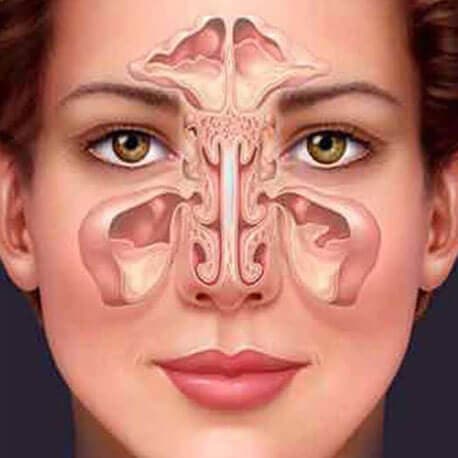
Breathing techniques and Jala Neti (nasal cleansing, taught carefully) help keep the nasal passages clear.

Controlled breathing and chest-opening postures can improve breathing efficiency and confidence. Keep your inhaler with you.
Mobility, core stability and postural correction relieve common lower and upper back pain, especially for desk workers.
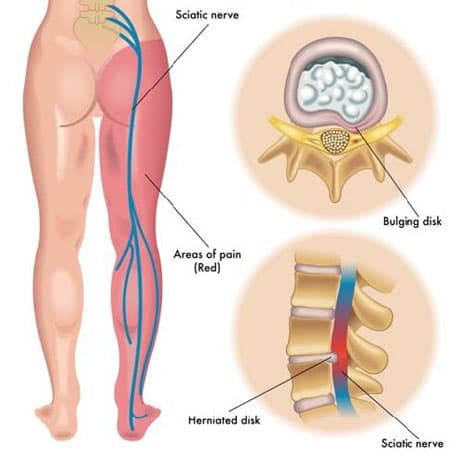
Gentle nerve-mobilising stretches and core and hip work help relieve pressure along the sciatic nerve.
Yoga therapy is complementary care. It does not replace diagnosis or treatment by a qualified medical practitioner. Please keep taking prescribed medication and consult your doctor before starting.
Discuss your reports with Yoga Ratna K. Dattatreya Rao and begin your tailored path to relief.